Emergency dental issues can arise at any time, and knowing where to turn in Brooklyn Heights is essential for quick relief and expert care. Whether it’s a sudden toothache, a knocked-out tooth, or severe swelling, getting prompt treatment can make a big difference in comfort and outcome.
Emergency dental care in Brooklyn Heights offers immediate attention from skilled professionals who understand how to ease pain quickly and prevent further damage. Many local clinics provide walk-in appointments or same-day visits to ensure patients don’t have to wait when they need help the most.
With modern dental technology and a focus on patient comfort, emergency dental services in this area are designed to make stressful situations more manageable. Understanding your options and when to seek care can help turn a frightening experience into one of relief and recovery.
Recognizing Dental Emergencies
Knowing when dental pain or injury requires immediate care helps avoid complications and ensures proper treatment. Some symptoms signal urgent attention, while others can wait for a routine visit. Evaluating pain and damage guides decisions during a dental crisis.
Common Signs That Require Immediate Attention
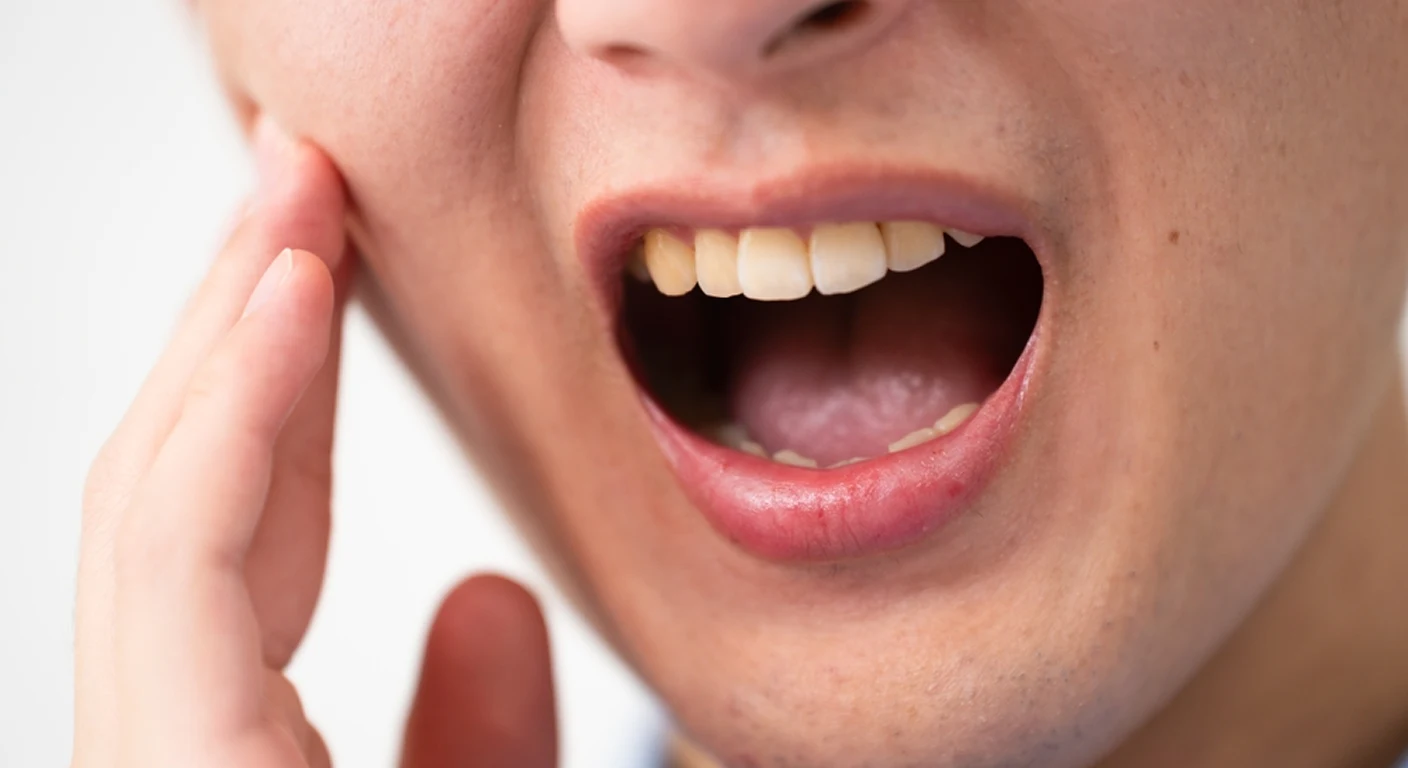
Severe toothache lasting more than a day, especially when accompanied by swelling, can indicate infection needing prompt care.
Knocked-out teeth should be handled quickly; preserving the tooth by keeping it moist and getting to a dentist within an hour improves chances of saving it.
Broken or chipped teeth that expose nerves often cause sharp pain and sensitivity.
Bleeding gums that don’t stop after 15 minutes of pressure suggest urgent treatment.
Other signs include abscesses, swelling around the face or jaw, and difficulty breathing or swallowing, which require emergency intervention.
Differences Between Urgent and Non-Urgent Issues
Urgent issues cause significant pain, bleeding, or risk of infection. Examples include knocked-out teeth, deep fractures, and intense swelling.
Non-urgent problems might be minor chips, loose fillings, or mild sensitivity without swelling. These can usually wait for a scheduled appointment without worsening.
Understanding this difference helps avoid unnecessary emergency room visits. Dentists in Brooklyn Heights NY are equipped to handle true emergencies quickly and prevent complications.
How to Assess Pain and Severity
Pain intensity is a key factor. Severe or throbbing pain that disrupts daily activities should prompt an urgent visit. Dull or intermittent discomfort may be monitored until the next dental checkup.
Swelling, fever, or spreading redness suggests infection.
Bleeding that stops within minutes may be less urgent but still needs professional care soon.
If the injury affects speech, eating, or breathing, it’s important to seek emergency dental services immediately.
Patient safety and comfort guide a clear course of action when pain and symptoms escalate.
Immediate Steps to Take at Home
Knowing what to do right after a dental emergency can reduce pain and prevent further damage. Acting quickly and carefully with the right steps at home can make a big difference in the outcome.
First Aid Tips for Toothaches
Toothaches often signal infection or decay. The person should rinse their mouth gently with warm salt water to reduce bacteria and soothe the area. Avoid extremely hot or cold drinks, which can worsen sensitivity.
Over-the-counter pain relievers like ibuprofen help control discomfort. Applying a cold compress outside the cheek can reduce swelling and numb the pain temporarily. Using cotton to protect a painful tooth from contact with the tongue or cheek may also provide relief.
If pain is severe or lasts more than a day, seeking prompt dental care is essential to address the root cause and prevent complications.
Handling Broken or Knocked-Out Teeth
If a tooth breaks, saving any large pieces is important and can sometimes help the dentist repair it. Rinse the mouth and broken parts with warm water carefully. Avoid touching the roots if the whole tooth is knocked out.
For a knocked-out tooth, pick it up by the crown (the chewing surface), rinse it gently, and try to place it back in the socket if possible. If not, keep the tooth moist by storing it in milk or saliva. Immediate dental care is critical—it’s best to reach a dentist within 30 minutes to improve chances of saving the tooth.
Avoid using harsh chemicals or scrubbing the tooth; gentle handling preserves the cells needed for reattachment.
Coping with Swelling or Bleeding
Swelling can indicate trauma or infection and usually accompanies pain. Applying a cold pack to the outside of the cheek for 10-15 minutes helps reduce swelling and discomfort. Repeat every hour as needed during the first day.
If bleeding occurs, have the person bite down gently on a clean piece of gauze or a moist tea bag for 15-20 minutes. This pressure helps stop bleeding. Avoid rinsing the mouth vigorously afterward, as it may delay clot formation.
If bleeding is heavy, doesn’t stop after 20 minutes, or swelling worsens rapidly, urgent dental or medical care is necessary to prevent further complications.
Popular Emergency Treatments
Emergency dental care often targets intense pain and damage to teeth. Treatment focuses on quickly relieving discomfort and restoring damaged teeth to prevent further complications.
Relief for Severe Tooth Pain
Severe tooth pain usually signals infection, decay, or trauma. Dentists in Brooklyn Heights prioritize immediate pain relief through diagnosis and tailored treatment.
They may use medications like analgesics or prescribe antibiotics to address infection. In some cases, root canal therapy is necessary to remove infected tissue inside the tooth, stopping pain and saving the tooth.
Temporary fillings or sedative dressings can also relieve discomfort while arranging follow-up care. Prompt attention not only controls pain but helps avoid more invasive procedures later.
Repairing Cracked or Chipped Teeth
Cracked or chipped teeth are common emergencies caused by accidents or biting hard objects. Treatment aims to restore tooth structure and function quickly.
Depending on damage extent, options range from smoothing minor chips and applying bonding resin to placing crowns for larger cracks. Crowns cover and protect weakened teeth, preventing further breakage.
In severe cases, root canal treatment may be needed if the crack reaches the pulp. Early intervention improves outcomes and reduces risk of infection or tooth loss.
Patients in Brooklyn Heights trust emergency dental care to fix damage comfortably and efficiently.
What to Expect During Your Visit
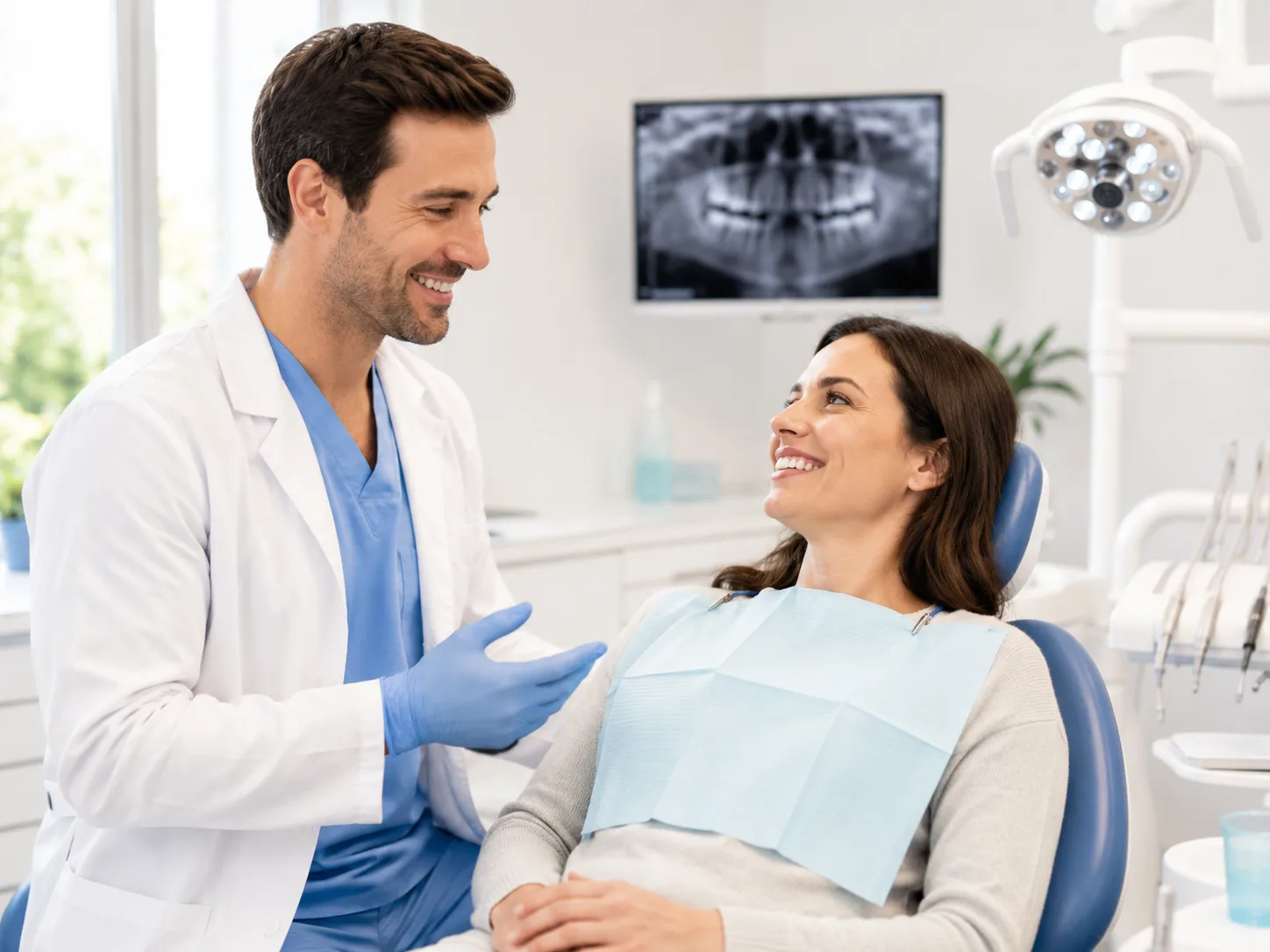
When arriving for emergency dental care in Brooklyn Heights, patients can expect a thorough yet compassionate approach to resolving their urgent issues. The dentist focuses on quickly identifying the problem, managing pain effectively, and providing treatment or a clear next step without unnecessary delays.
Diagnostic Methods Dentists Use
Dentists start by asking detailed questions about symptoms and any recent dental history. This helps pinpoint the source of pain or injury. A physical exam follows, where the dentist checks for swelling, broken teeth, or other visible problems.
X-rays are a common diagnostic tool to reveal hidden issues like fractures, infections, or abscesses. Sometimes, a 3D scan called a CBCT provides a clearer image for complex cases. These methods allow the dentist to make an accurate diagnosis and create an effective treatment plan.
How Pain Relief Is Provided
Pain management is a priority during emergency visits. Dentists often use local anesthetics to numb the affected area immediately. This allows patients to feel comfortable during examination and treatment.
In cases of severe pain or swelling, the dentist may also recommend or prescribe over-the-counter or stronger pain medications. Cold compresses and advice on rest can support relief after the appointment. The goal is to reduce discomfort quickly to improve patient well-being.
Typical Duration of Emergency Appointments
Emergency dental visits often take between 30 to 60 minutes, depending on the severity of the issue. Initial exams and X-rays may last around 15 to 20 minutes. Treatment, such as a tooth extraction or temporary filling, may require additional time.
Some emergencies can be resolved in one visit, while others might need multiple appointments. The dentist will explain the timeline and next steps clearly, so patients know what to expect. This helps reduce anxiety and ensures smooth follow-up care.
Technology and Comfort-Focused Care
Advanced technology and thoughtful comfort measures work together to make emergency dental visits smoother and less stressful. Patients benefit from quick, accurate diagnoses and gentle treatment techniques designed to ease anxiety. This approach helps people get the care they need without added worry.
Modern Tools for Fast Diagnosis
Brooklyn Heights emergency dentists use digital X-rays and 3D imaging to quickly identify issues like broken teeth, infections, or abscesses. These tools show detailed images on screens within seconds, avoiding the wait and discomfort of traditional film X-rays.
Intraoral cameras let dentists spot hidden problems by capturing clear photos inside the mouth. This technology helps explain the situation visually, so patients understand their condition and treatment options better.
With these modern tools, treatment can begin promptly, minimizing pain and preventing complications from delays. Faster diagnosis means less time in the chair and a clearer path to relief.
Gentle Approaches to Reduce Anxiety
Dental emergencies can cause stress, so Brooklyn Heights offices focus on calming techniques from the moment patients walk in. Comfort measures include adjustable chairs, soft lighting, and calming music to create a relaxing environment.
Dentists use numbing gels before injections and offer sedation options when needed to reduce discomfort and fear. Many also take extra time to explain each step clearly, helping patients feel more in control.
By combining technology with a gentle approach, emergency care becomes less intimidating. This helps anxious patients receive timely treatment without added stress or discomfort.
Prevention Strategies for Future Emergencies
Taking steps now can help reduce the chance of dental emergencies. Using proper gear during activities and adopting safe daily habits play crucial roles in protecting teeth from damage and decay.
Protective Gear for Sports and Activities
Wearing a custom-fitted mouthguard during contact sports like basketball, football, or hockey is essential. It cushions impacts and significantly lowers the risk of chipped or knocked-out teeth.
Helmets with face shields also add protection for more intense activities like cycling or skateboarding. For children, properly sized helmets and guards prevent injuries during play.
Even non-contact sports can pose risks; using a mouthguard during activities like gymnastics or skating can prevent accidental injuries. Regularly inspect gear for wear and replace it to maintain its protective function.
Everyday Habits That Lower Risk
Brushing twice daily with fluoride toothpaste strengthens enamel, reducing cavities that can lead to emergencies. Flossing removes debris from between teeth where brushes miss, preventing gum disease.
Avoid biting hard objects like ice, pens, or popcorn kernels, which can crack teeth unexpectedly. Limit sugary snacks and drinks since sugar feeds bacteria that cause decay.
Routine dental check-ups help spot small problems before they turn urgent. Drinking plenty of water keeps the mouth hydrated and washes away food particles, further protecting oral health.
How to Choose an Emergency Dentist in Brooklyn Heights
Finding the right emergency dentist means focusing on key aspects like experience, comfort, and convenience. It’s important to weigh factors that ensure quick, reliable help when a dental crisis arises.
Qualities to Look For in a Dental Provider
The emergency dentist should have specialized training in urgent dental care, with a record of treating common emergencies like toothaches, broken teeth, or infections. Look for credentials such as board certifications and continued education in emergency dentistry.
Comfort matters. A good provider offers a calm environment and clear communication about treatment options and costs. They should use gentle techniques to ease anxiety, especially since emergencies can be stressful.
Patient reviews and referrals from locals can reveal how well the dentist handles pressure and pain during emergencies. Modern equipment and up-to-date methods also signal readiness to provide fast, effective care.
Making Sure the Practice Is Accessible
Accessibility means more than location. The practice should have flexible hours, including evenings and weekends, since emergencies don’t follow a schedule. Quick appointment availability is a critical factor.
Check if the clinic offers walk-in visits or same-day emergency slots. Communication channels like phone, email, or online booking should be simple and responsive.
Parking, public transit options, and clear directions help when time is tight. The office should accommodate all patients, including those with disabilities or special needs, to ensure no one is left without care.
Navigating Insurance and Payment Options
When facing a dental emergency, understanding insurance and payment options can ease much of the stress. Many dental offices in Brooklyn Heights work with a variety of insurance plans, including major providers and some Medicaid programs. Patients are encouraged to check with their insurer ahead of time to confirm coverage for emergency dental services.
For those without insurance, offices often provide flexible payment plans. These plans break down the cost into manageable monthly payments. It’s worth asking about any special financing options or discounts available for emergency care.
Here’s a quick overview to consider:
| Payment Option | Description | Typical Use |
|---|---|---|
| Dental Insurance | Covers part or all emergency fees | Most insured patients |
| Payment Plans | Monthly installments with low interest | Those without full coverage |
| Cash or Credit Card | Immediate payment required | Quick, straightforward |
| CareCredit or Loans | Medical financing available | Larger treatments needed |
The dental team usually helps patients understand their options and assists with insurance paperwork. This support can be especially valuable when urgent care is needed after hours.
If unexpected costs feel overwhelming, it’s always a good idea for patients to communicate openly with their dentist. Many providers will help find a solution that fits their budget without delaying care.
When to Call for Professional Help
Dental emergencies can be confusing, but knowing when to seek professional care is key. If someone experiences severe pain that doesn’t improve with over-the-counter painkillers, a prompt dental visit is important. Persistent or worsening pain often signals a deeper issue that needs expert attention.
A broken or knocked-out tooth requires quick action. If a tooth is completely lost, it should be gently rinsed and stored in milk or a saltwater solution while getting to the dentist immediately. Cracks or chips, especially if sharp or painful, also need prompt evaluation to prevent infection or further damage.
Bleeding that doesn’t stop after 15 minutes or swelling that worsens could indicate infection or trauma. These symptoms should never be ignored, as untreated infections might spread. Difficulty opening the mouth or swallowing should prompt urgent care as well.
Below is a handy list of signs that call for professional help:
| Symptom | Suggested Action |
|---|---|
| Severe, persistent tooth pain | Schedule emergency dental care immediately |
| Knocked-out tooth | Rinse, store properly, see dentist ASAP |
| Broken or chipped tooth | Avoid chewing, see dentist soon |
| Uncontrolled bleeding | Apply pressure, seek urgent dental help |
| Swelling or pus around the tooth | Contact dentist promptly |
| Difficulty swallowing or breathing | Seek emergency medical attention |
If you notice any of these signs, it’s better to be safe and reach out to a trusted Brooklyn Heights emergency dentist. They are ready to provide gentle, modern care when you need it most.
Frequently Asked Questions
Emergency dental issues can feel overwhelming, but knowing what to expect and how to act helps ease the stress. Quick access to care, managing pain, and understanding insurance or payment options are key for getting help when it matters most.
Do you offer same-day or 24-hour appointments for severe tooth pain or a broken tooth?
Many Brooklyn Heights dental offices provide same-day appointments for urgent pain or injuries. Some clinics offer extended hours or on-call services to handle emergencies outside regular hours.
What should I do right now if I’m dealing with facial swelling or think I have a tooth infection?
Swelling and infections require prompt care. Applying a cold compress can reduce swelling temporarily, but it’s important to see a dentist immediately to prevent the infection from spreading.
If I don’t have dental insurance (or can’t afford treatment today), what payment options or low-cost solutions are available?
Several dental offices accept flexible payment plans or offer sliding scale fees based on income. Community clinics in Brooklyn Heights may provide affordable care, and some accept CareCredit or other financing programs.
Can I be seen for an emergency if I have Medicaid or Healthfirst, and what should I bring to my visit?
Yes, many emergency dentists accept Medicaid and Healthfirst plans. Patients should bring their insurance card and a valid ID. It’s helpful to call ahead to confirm coverage for emergency services.
What’s the safest way to handle a knocked-out tooth or lost filling before I get to the dentist?
For a knocked-out tooth, hold it by the crown and rinse gently with water—avoid scrubbing. Try to place it back in the socket if possible or store it in milk or saline. For a lost filling, using dental cement from a pharmacy can protect the tooth until treatment.
When should I go to the ER for a dental problem, and what can the ER actually do for tooth-related pain or infection?
Go to the ER if you have severe swelling affecting breathing, uncontrolled bleeding, or a trauma-related injury. Emergency rooms can provide pain relief and antibiotics but usually can’t perform dental procedures, so follow-up with a dentist is necessary.