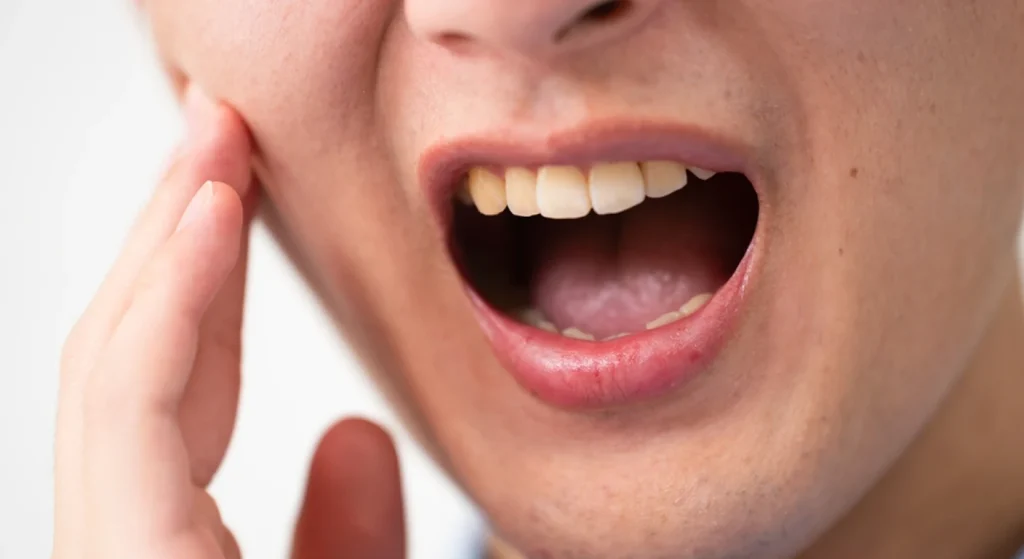
Wisdom teeth can be easy to ignore—until the back of the mouth starts feeling sore, swollen, or difficult to clean. These third molars usually appear later than the other adult teeth, and they do not always have enough room to grow into a healthy position.
For patients searching for information about wisdom teeth in Brooklyn, NY, the most important first step is a dental evaluation. Some wisdom teeth can remain in place without causing trouble. Others may need monitoring or removal because of their position, symptoms, or effect on nearby teeth and gums.
This article provides general educational information and is not a diagnosis or a substitute for care from a dentist or oral surgeon. Anyone experiencing dental pain, swelling, or other concerning symptoms should consult a qualified clinician.
A Patient’s Guide to Wisdom Teeth
What Are Wisdom Teeth?
Wisdom teeth are the last molars at the very back of the mouth. A person may develop up to four—one in each corner—although some people have fewer or none at all.
When there is enough space, a wisdom tooth may emerge normally and function like another molar. Problems can arise when the tooth grows at an angle, remains trapped under the gum or jawbone, or only comes through partway. A tooth that cannot fully emerge is commonly described as impacted.
Partial eruption can create a small flap or pocket of gum tissue around the tooth. Food and plaque may collect in this hard-to-reach area, making regular brushing and flossing more difficult. Importantly, a wisdom tooth can also have a problem without producing obvious symptoms. Dental examinations and appropriate imaging help identify concerns that are not visible at home.
Common Signs That a Wisdom Tooth Needs Attention
Discomfort at the back of the mouth does not automatically mean a tooth must be removed. Gum irritation, tooth decay, jaw-joint problems, and other conditions can produce similar symptoms. A dentist needs to examine the area to determine the likely cause.
Signs that deserve a dental appointment include:
- Pain, pressure, or tenderness behind the last molar
- Red, swollen, or bleeding gum tissue near a wisdom tooth
- Difficulty opening the mouth comfortably
- An unpleasant taste or persistent bad breath
- Food repeatedly becoming trapped at the back of the mouth
- Sensitivity or discomfort when biting
- Swelling along the jaw or cheek
- Pain that seems to travel toward the ear, temple, or nearby teeth
These symptoms should not be self-diagnosed. For example, discomfort near a wisdom tooth may come from the tooth in front of it, while jaw soreness may have a muscular or joint-related cause.
When Is Wisdom Tooth Removal Considered?
Not every wisdom tooth needs to be extracted. If a tooth is healthy, fully erupted, functional, and easy to clean, a dentist may recommend monitoring it during routine visits.
Removal may be discussed when a wisdom tooth is associated with repeated gum inflammation, decay, infection, damage to a neighboring tooth, or another clinically significant problem. A dentist may also recommend treatment when the tooth’s angle or position makes long-term cleaning impractical.
The decision is individualized. The clinician will consider symptoms, examination findings, dental images, medical history, age, medications, and the relationship of the tooth to nearby structures. When a case is complex, a patient may be referred to an oral and maxillofacial surgeon.
What Happens During a Wisdom Tooth Evaluation?
A wisdom tooth consultation usually starts with a conversation about current symptoms and health history. Patients should mention previous reactions to anesthesia, allergies, pregnancy, medical conditions, and all prescription drugs, over-the-counter medicines, vitamins, and supplements they use.
The dentist examines the gums, nearby teeth, bite, and jaw. Dental imaging may be recommended to show whether a tooth is fully erupted, partly erupted, or still under the gum or bone. Images can also help the clinician evaluate roots and nearby anatomy before discussing treatment.
This visit is a good time to ask whether monitoring is reasonable, why extraction is being considered, who will perform it, what anesthesia options may be appropriate, and how to prepare. A patient should leave with a clear understanding of the recommendation rather than feeling rushed into a decision.
What to Expect During Removal
The exact procedure depends on the position and condition of the tooth. A fully erupted tooth may be removed differently from one that is trapped under gum tissue or bone.
Local anesthetic is commonly used to numb the treatment area. Depending on the patient’s needs, health, anxiety level, and procedure complexity, the treating clinician may discuss additional comfort or sedation options. Sedation is not appropriate or necessary in every situation, and patients receiving it may need specific fasting, medication, transportation, and supervision arrangements.
During a surgical extraction, the clinician may create access through the gum and divide the tooth into smaller sections when that allows for more controlled removal. The site is then cleaned, and stitches may be placed when appropriate. Patients should receive written aftercare instructions specific to their procedure.
A modern, comfort-focused approach includes effective numbing, clear communication, opportunities to pause, and realistic explanations of what the patient may feel. Pressure or movement can be different from sharp pain; a patient should alert the clinical team if something feels painful.
Understanding the Stages of Recovery
Recovery does not happen all at once. Early symptom recovery, gum healing, and deeper bone remodeling are separate phases.
- Early recovery: Soreness, swelling, mild oozing, and jaw stiffness may occur after treatment. These symptoms should generally trend in the right direction rather than becoming progressively worse.
- Soft-tissue healing: The gum gradually closes over the extraction area. The site may still trap food while it is closing, so cleaning instructions are important.
- Deeper bone healing: The jawbone continues to fill in and remodel after the gum looks better. This deeper process lasts longer than the initial period of visible recovery.
Unlike dental implant treatment, routine wisdom tooth extraction does not involve osseointegration or placement of a final restoration. Osseointegration refers to an implant integrating with bone, while a final restoration is the crown or other prosthetic attached during implant care. Wisdom teeth generally do not need replacement after removal.
Healing varies according to the tooth’s position, the type of extraction, the patient’s health, and how closely aftercare instructions are followed. The treating clinician is the best source for an individualized activity and recovery timeline.
How to Make Recovery More Comfortable
Patients should follow the instructions provided by their own dentist or oral surgeon, even if they differ from general advice found online. Common recommendations may include:
- Using gauze as directed to manage initial bleeding
- Resting and avoiding strenuous activity until the clinician says it is appropriate
- Choosing soft, easy-to-chew foods and staying hydrated
- Keeping food away from the treatment area at first
- Cleaning the mouth gently without disturbing the healing site
- Avoiding smoking, vaping, straws, and forceful spitting because suction and irritation can interfere with the protective blood clot
- Taking prescribed or recommended medication only as directed and never exceeding the labeled or prescribed dose
Patients should contact the treating office if bleeding does not slow with instructed pressure, pain or swelling is worsening rather than improving, or there is a concerning taste, drainage, fever, or other unexpected symptom. Rapidly increasing facial swelling or difficulty breathing or swallowing requires urgent medical attention.
How Much Does Wisdom Tooth Removal Cost in Brooklyn?
There is no single fee that applies to every wisdom tooth removal in Brooklyn. Cost may depend on how many teeth need treatment, whether they are erupted or impacted, the complexity of removal, the clinician performing the procedure, imaging, anesthesia or sedation, and insurance benefits.
A written estimate should explain the anticipated services and whether the provider is in or out of network. Patients can also ask about claim submission, payment arrangements, and available financing options. Insurance coverage is not the same as a treatment recommendation, so clinical needs and financial details should both be reviewed before scheduling.
Frequently Asked Questions
Do all four wisdom teeth need to be removed at once?
No. Some patients need one tooth removed, while others may be advised to treat several during the same appointment. The best approach depends on the condition of each tooth, procedure complexity, health history, and patient preference.
Can an impacted wisdom tooth stay in place?
Sometimes. An impacted tooth that is not causing disease or damage may be monitored, but that decision requires professional assessment. A lack of pain does not confirm that the tooth is problem-free.
Can wisdom teeth cause headaches?
Dental and jaw discomfort can sometimes feel as though it is spreading toward the temple or head. However, headaches have many possible causes. A dentist can check for oral concerns, but persistent, severe, or unusual headaches should also be discussed with an appropriate medical professional.
Will a patient be awake during removal?
Many extractions are completed with local anesthetic while the patient remains awake. Additional sedation options may be considered in some cases. The clinical team should explain what the patient can expect and provide preparation instructions in advance.
Can a patient return to work or school right away?
That depends on the extent of treatment, the type of work or school activities involved, the anesthesia used, and the individual’s response. Anyone receiving sedation must follow the clinician’s restrictions regarding driving, decision-making, supervision, and activity.
What foods are appropriate after extraction?
Soft foods that require little chewing are often easier at first. Very hot, hard, crunchy, spicy, or small-particle foods may irritate the area or become trapped. Patients can gradually return to their usual diet as comfort and professional instructions allow.
Get Personal Guidance for Wisdom Teeth in Brooklyn, NY
Wisdom tooth concerns are easier to manage when they are evaluated early. An examination can determine whether the area simply needs better cleaning and monitoring or whether treatment should be considered.
Brooklyn Comfortable Dental Care welcomes general dental patients at its Brooklyn Heights, Brooklyn, NY office. The dental team can evaluate symptoms, review appropriate imaging, answer questions, and explain whether ongoing observation, treatment, or referral is the right next step. Patients with pain, swelling, or concerns about a wisdom tooth are encouraged to contact the practice and schedule a consultation.