When a dental emergency strikes in Brooklyn Heights, knowing where to turn quickly can ease both pain and worry. Many people aren’t sure which symptoms need immediate attention or how to find care outside regular office hours. Emergency dental care in Brooklyn Heights offers prompt treatment for severe toothaches, broken teeth, and injuries to keep patients comfortable and prevent further damage.
The neighborhood’s dental clinics are equipped to handle sudden problems with the latest tools and a focus on gentle, effective solutions. Whether it’s a knocked-out tooth from an accident or sharp pain that disrupts daily life, specialists prioritize calming the patient and restoring health as soon as possible.
Understanding what qualifies as a dental emergency helps residents make smart, timely decisions. Knowing where to go and what to expect can reduce stress and protect smiles—because quick care matters.
Recognizing a Dental Emergency
Knowing when a dental problem requires urgent care can prevent worsening pain or damage. Some signs are clear, while others may seem less obvious but still need prompt attention. Understanding these indicators and common causes helps patients act quickly and avoid complications.
Signs You Need Immediate Dental Attention
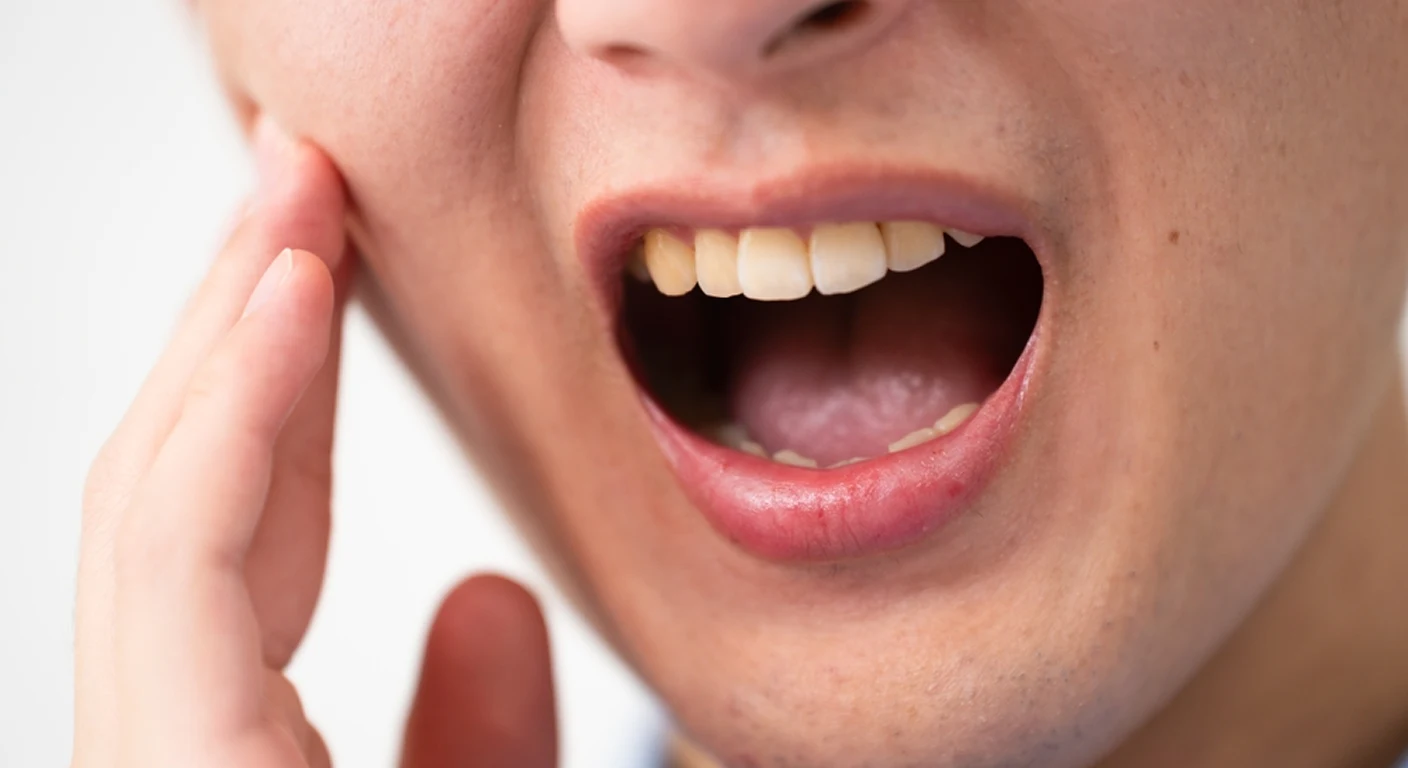
Severe tooth pain that comes on suddenly and doesn’t improve with over-the-counter painkillers is a key warning sign. Intense or persistent pain often signals infection, nerve damage, or injury.
Other urgent symptoms include:
- Excessive bleeding in or around the mouth
- Knocked-out or displaced teeth
- Swelling threatening to block airways or cause breathing difficulty
- Visible cracks or breaks exposing the tooth’s inner layers
- Signs of infection such as fever, pus, or red, swollen gums
If any of these occur, it’s crucial to seek emergency dental care to reduce pain and prevent further issues.
Common Causes of Sudden Tooth Pain
Sudden tooth pain often results from underlying problems like tooth decay that reaches the nerve or a cracked tooth exposing sensitive tissue. Trauma from falls or impacts can also cause sharp pain if the tooth or surrounding tissues are damaged.
Other reasons include:
- Abscesses or infections caused by bacteria at the tooth root
- Damaged fillings or crowns creating sensitivity
- Gum disease leading to inflamed or infected gums near the teeth
Recognizing these causes helps dentists provide targeted treatment quickly, improving the chances of saving the tooth and relieving discomfort.
When to Seek Urgent Dental Help
Certain dental situations need prompt attention to prevent permanent damage or serious infection. Recognizing these issues early can save teeth and reduce pain.
Broken or Knocked-Out Teeth
If a tooth breaks or is completely knocked out, immediate care is crucial. A broken tooth can cause sharp edges that cut the tongue or inside of the mouth, and infection risk rises quickly.
For a knocked-out tooth, time is critical. The tooth should be handled by the crown, rinsed gently (not scrubbed), and if possible, placed back in the socket. If that’s not feasible, storing it in milk or a tooth preservation product can keep cells alive until reaching the dentist.
Emergency dental care aims to save the tooth or prepare for restoration. Delaying treatment reduces the chance of recovery drastically.
Uncontrollable Bleeding
Bleeding that won’t stop after dental trauma or surgery signals an emergency. While minor bleeding is common, continuous heavy bleeding can lead to serious blood loss and requires swift intervention.
Applying firm pressure with a clean cloth or gauze is the first step. If bleeding persists beyond 20 minutes or if blood soaks through multiple gauze pads, professional care is necessary.
The dentist will locate the bleeding source, stabilize clotting, and provide guidance on managing bleeding at home.
Facial Swelling and Infection
Swelling around the face, jaw, or neck accompanied by pain, warmth, or redness often indicates an infection. Infections can spread quickly and sometimes cause difficulty breathing or swallowing.
Signs to watch for include swelling that worsens rapidly, fever, or pus discharge. These symptoms call for urgent evaluation and treatment, typically involving antibiotics and sometimes drainage.
Ignoring infection risks serious complications, making early dental care essential to stop the spread.
What to Expect During an Emergency Visit
During an emergency dental visit, patients can expect quick, focused care aimed at relieving pain and identifying the root cause of the problem. The process typically includes managing discomfort and using advanced imaging to guide treatment decisions.
Initial Examination and Pain Management
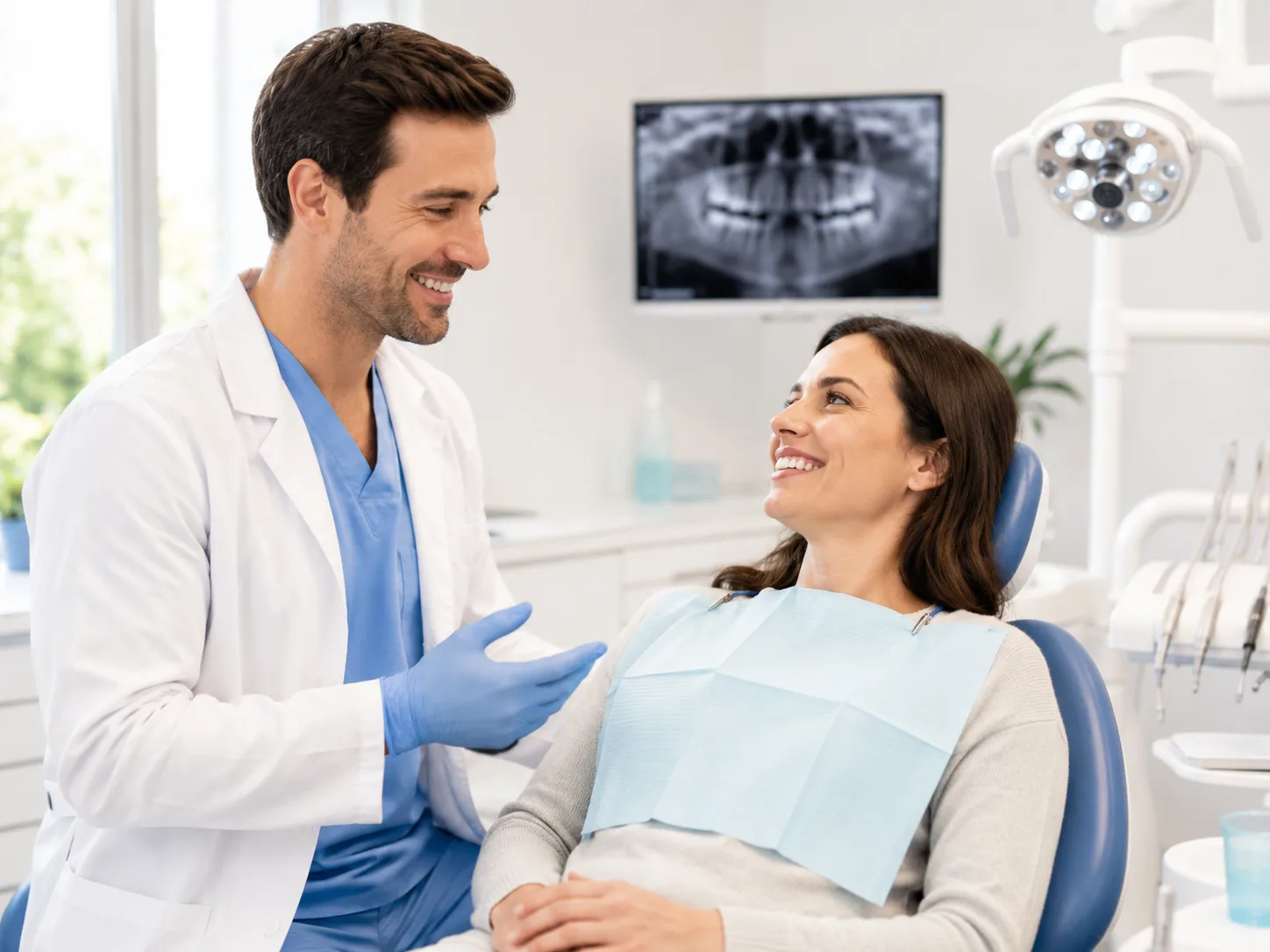
When a patient arrives, the dentist first performs a careful examination of the affected area. They look for visible issues like swollen gums, broken teeth, or bleeding. The goal is to pinpoint the cause of the pain or damage as quickly as possible.
Pain management starts immediately. The dentist might apply a topical anesthetic or recommend an oral pain reliever, depending on the severity. For more intense pain, local anesthesia might be used to numb the area, helping the patient feel more comfortable during the exam and any needed procedures.
This approach helps control discomfort while minimizing stress, so patients feel safe and supported under pressure.
Diagnostic X-Rays and Assessment
After the initial exam, diagnostic X-rays often play a key role in understanding the full scope of the issue. X-rays reveal hidden problems like tooth fractures, infections, or bone loss that aren’t visible during the physical exam.
These images allow the dentist to evaluate how deep an infection might be or whether a root canal or extraction is necessary. The assessment is detailed but efficient, focusing on the quickest path to pain relief and healing.
Advanced digital X-rays also reduce radiation exposure, making the process safer and faster compared to older methods. This enables patients to proceed confidently with the recommended treatment.
Modern Comfort-Focused Dental Treatments
Brooklyn Heights emergency dental care now prioritizes patient comfort alongside effective treatment. Advances in anesthesia and sedation, combined with cutting-edge technology, make urgent dental visits less stressful and more precise.
Gentle Anesthesia and Sedation Options
To reduce pain and anxiety, dentists offer several gentle anesthesia and sedation choices. Local anesthesia numbs only the affected area, keeping the patient awake but comfortable. For those who feel nervous, nitrous oxide—commonly called “laughing gas”—provides a calming effect with quick recovery.
Oral sedation is another option where patients take a pill before the procedure, helping them relax deeply but remain conscious. In more involved cases, intravenous (IV) sedation may be used to help patients drift into a twilight state. Each option is carefully selected based on the patient’s medical history and comfort level to ensure safety and ease during emergency care.
State-of-the-Art Equipment
Brooklyn Heights dental offices use state-of-the-art equipment to improve accuracy and speed. Digital X-rays emit significantly less radiation than traditional methods, allowing dentists to diagnose issues quickly and with clearer images.
Intraoral cameras give real-time, close-up views inside the mouth, helping the patient understand their condition better. Laser technology can treat soft tissue problems gently, reducing bleeding and promoting faster healing. This modern toolkit leads to less invasive treatments and shorter recovery times, making urgent dental care more comfortable and efficient.
Aftercare and Recovery Tips
Proper care after emergency dental treatment is crucial to support healing and avoid complications. Following specific steps can make a big difference in comfort and recovery speed.
Caring for Your Mouth Post-Emergency
After an emergency dental procedure, keeping the mouth clean is a top priority. Patients should gently rinse with warm salt water starting 24 hours after treatment, which helps reduce bacteria and soothes irritation. Avoid vigorous rinsing or spitting, as this can disturb clots or stitches.
Eating soft foods like yogurt, mashed potatoes, and soups for the first few days prevents irritation. It’s best to stay away from hot, spicy, or crunchy foods that might cause pain or disrupt healing. Using a soft-bristled toothbrush and avoiding the treated area until it feels less sensitive protects delicate tissues.
Pain and swelling are common, so using a cold compress on the outside of the cheek for 15-minute intervals helps reduce swelling. Over-the-counter pain relievers, as recommended by the dentist, can manage discomfort.
Steps for Healing and Preventing Complications
Healing after emergency dental care requires patience and attention to warning signs. Patients should follow all post-care instructions given by their dentist, including taking prescribed antibiotics if needed to prevent infection.
It’s important to avoid smoking and alcohol, as both can slow healing and increase the risk of complications like dry socket or infection. Resting and keeping the head elevated during sleep also help reduce swelling.
If bleeding continues for more than a few hours or sharp pain worsens after a couple of days, patients should contact their dentist immediately. These symptoms can indicate infections or issues that need prompt attention. Regular follow-up visits ensure the dentist can monitor progress and address any problems early.
Encouraging patients to communicate openly about any discomfort or concerns ensures they feel supported throughout recovery.
Choosing the Right Dentist in Brooklyn Heights
Finding the right dentist can make all the difference during a dental emergency. Factors such as trust, skill, and preparedness ensure that patients receive quick, effective care when they need it the most.
Qualities of a Trustworthy Dental Practice
A trustworthy dental practice in Brooklyn Heights should offer clear communication and a warm, welcoming atmosphere. Dentists who explain procedures calmly and answer questions fully help reduce anxiety. Look for a team experienced in emergency care, with flexible scheduling and same-day appointments.
Technical skill matters, but so does having modern equipment like digital X-rays and advanced pain management options. Check if the practice is licensed, well-reviewed, and holds affiliations with professional dental organizations. Patient testimonials often reveal if a dentist delivers compassionate care under pressure.
How to Prepare for Future Emergencies
Preparation starts by knowing your dentist’s emergency contact protocols, including after-hours availability. Keep their phone number easy to find, and ask about walk-in options or urgent care slots.
It helps to understand common emergency scenarios—like knocked-out teeth or severe pain—and follow basic first-aid steps until professional help arrives. A simple kit with gauze, a small container for a lost tooth, and over-the-counter pain medication can be useful. Regular check-ups also reduce the chance of unexpected problems by catching issues early.
Preventing Dental Emergencies
Taking proactive steps can significantly reduce the chance of sudden dental problems. Simple daily routines and protective gear play key roles in keeping teeth safe from damage.
Everyday Habits for a Healthy Smile
Brushing teeth twice daily with fluoride toothpaste is fundamental. It removes plaque, which helps prevent cavities and gum disease—common causes of dental emergencies.
Flossing once a day cleans between teeth, where a toothbrush can’t reach. This reduces the risk of infections that might lead to severe pain or abscesses.
Limiting sugary snacks and drinks also protects teeth. Sugar feeds harmful bacteria that cause decay, so choosing water, fruits, or cheese helps maintain stronger enamel.
Regular dental checkups allow early detection of issues. Dentists can fix small problems before they become emergencies, making visits an essential part of oral care.
Mouthguards and Protective Gear
Wearing a mouthguard during sports or physical activities can prevent chipped teeth and jaw injuries. Custom-fit guards from a dentist offer better protection and comfort than store-bought versions.
For those who grind their teeth at night, a nightguard helps avoid cracks and excessive wear. This appliance cushions the teeth, reducing stress that might lead to fractures or sensitivity.
Protective gear is also important when using bikes, skateboards, or other equipment. Helmets with face protection can shield teeth from impact during falls.
Investing in proper gear is a simple way to avoid painful dental emergencies and costly repairs, especially for active individuals or those prone to grinding.
Next Steps and Encouragement
If you experience a dental emergency in Brooklyn Heights, the first thing to do is stay calm and take immediate action. Applying a cold compress or rinsing your mouth with warm salt water can help ease pain and reduce swelling.
Scheduling a prompt appointment with a trusted dental professional is essential for proper diagnosis and treatment. Many local clinics offer same-day or emergency visits to address urgent dental needs without long waits.
Maintaining good oral hygiene after your emergency visit is key to preventing future issues. Brushing gently, flossing daily, and avoiding hard or sticky foods will support healing and protect your teeth.
Here are some simple reminders to keep in mind:
| Action | Why It Helps |
|---|---|
| Call your dentist right away | Early treatment limits damage |
| Follow aftercare instructions | Speeds recovery and reduces pain |
| Discuss follow-up care | Prevents repeat emergencies |
Encourage patients to voice any concerns or questions during their visit. Open communication helps tailor care to their comfort and needs.
Taking these steps ensures they get the care needed while feeling supported and informed throughout the process. Encouragement from trusted hands can make all the difference.
Frequently Asked Questions
Emergency dental situations can range from severe pain to damaged teeth. Knowing the right steps to take and when to seek care can help protect your smile and ease your discomfort quickly.
What counts as a true dental emergency versus something that can wait until tomorrow?
A true dental emergency involves severe pain, uncontrolled bleeding, or trauma to the face or mouth. Minor discomfort, slight sensitivity, or a lost filling without pain usually can wait for a next-day appointment.
What should I do right now if I have severe tooth pain and the painkillers aren’t helping?
Rinse your mouth gently with warm water to clean the area. Avoid very hot or cold foods and continue taking over-the-counter painkillers as advised. Contact an emergency dentist promptly for an exam.
How quickly can I be seen for a broken tooth or lost filling, and what can I do to protect it until my visit?
Most emergency dental offices in Brooklyn Heights can see you the same day or within 24 hours for broken teeth or lost fillings. Keep the area clean, avoid chewing on that side, and protect the tooth with dental wax or sugarless gum if available.
What should I do if a tooth gets knocked out, and how long do I have to save it?
Find the tooth, hold it by the crown, and rinse it gently with water—do not scrub it. Try to place it back in the socket or keep it in milk or saline solution. You have about 30 minutes to 1 hour for the best chance to save the tooth.
Can I get emergency dental care if I don’t have insurance, and what payment options are usually available?
Yes, many Brooklyn Heights dental offices offer emergency care without insurance. They often accept credit cards, payment plans, or cash. It’s a good idea to ask about financial options when you call.
Can an urgent care or ER help with dental problems, and when is it better to see a dentist instead?
Urgent care and ERs can manage pain or swelling but usually can’t perform dental procedures. For tooth repairs, infections, or extractions, a dentist’s office is the better choice to provide effective and lasting care.