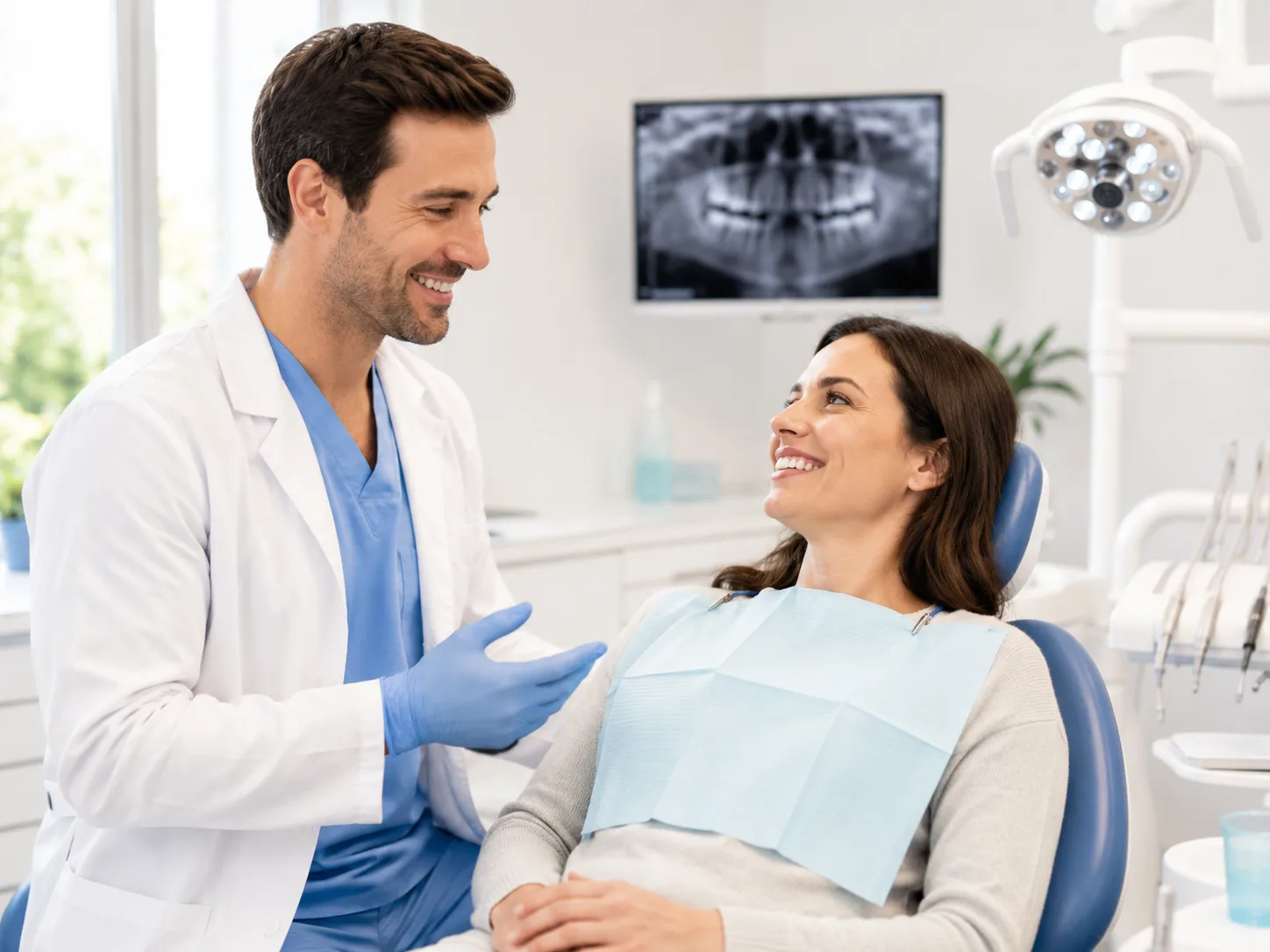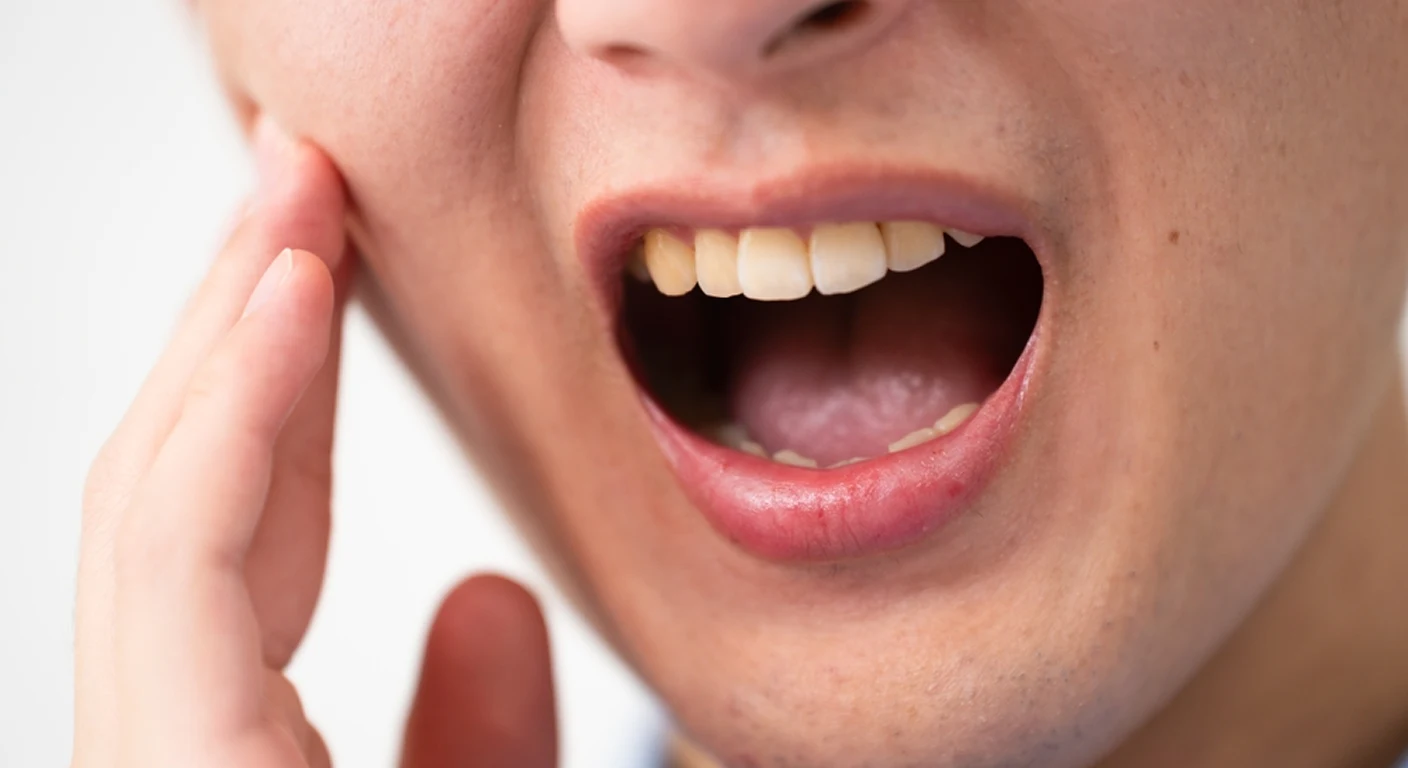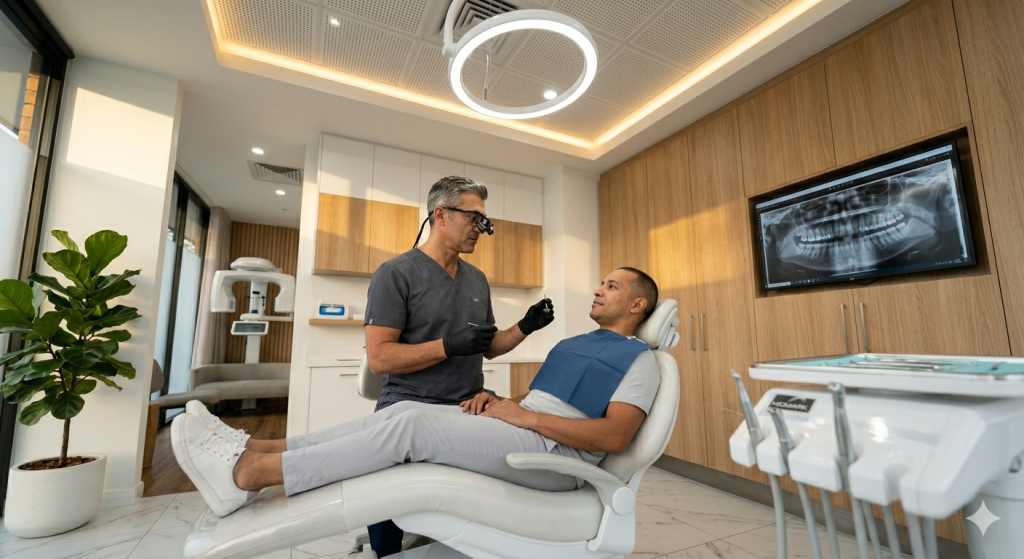
Dental emergencies can happen unexpectedly, and finding the right care quickly is crucial. For residents of Brooklyn Heights, NY, access to an emergency dentist means relief from pain and prompt treatment to prevent further damage. An emergency dentist in Brooklyn Heights provides timely, expert care for urgent dental issues like severe toothaches, chipped teeth, and infections.
When an unexpected dental problem arises, knowing where to turn can ease stress and speed recovery. These dentists offer extended hours, quick appointments, and treatments designed to restore comfort and protect oral health. They focus on patient comfort and use modern techniques to make emergency visits as smooth as possible.
Finding a trusted emergency dentist nearby helps people feel prepared rather than panicked when dental trouble strikes. It’s always a good idea to be familiar with local emergency dental services so no one faces a painful situation alone.
What Is an Emergency Dentist?
An emergency dentist focuses on addressing urgent dental issues that require immediate care to relieve pain, prevent further damage, or stop infection. Unlike routine checkups, emergency dental services are designed to handle unexpected situations quickly and effectively.
Differences Between Emergency and Regular Dental Care
Regular dental care mainly involves planned visits for cleanings, exams, and preventive treatments. These appointments help maintain oral health over time and address minor issues before they become serious.
Emergency dental care handles sudden problems like severe toothaches, broken teeth, or infections. Patients often need same-day appointments and more immediate treatment to manage pain or avoid complications. Emergency dentists use specialized tools and approaches suited for urgent relief, such as temporary repairs, root canal treatments, or extractions.
How to Recognize Dental Emergencies
Not every dental problem is an emergency, but some conditions need prompt attention. Signs include intense pain that doesn’t subside with over-the-counter medication, swelling in the mouth or face, bleeding that won’t stop, and knocked-out or fractured teeth.
Other emergencies involve lost fillings or crowns causing pain or sensitivity, or abscesses that can lead to serious infections. If symptoms affect breathing, speaking, or swallowing, it demands immediate emergency dental care.
Benefits of Seeing an Emergency Dentist
Visiting an emergency dentist helps quickly alleviate severe pain and reduce anxiety. They can prevent minor issues from worsening, which saves teeth and avoids more complex procedures later.
Emergency dentists also provide tailored care outside normal office hours, making treatment accessible when it’s most needed. Their expertise includes managing trauma and infections effectively, ensuring better recovery outcomes and protecting overall health.
Common Dental Emergencies Treated in Brooklyn Heights NY
Dental emergencies can range from sudden, severe pain to damaged teeth or infections needing prompt care. Knowing what to expect from these specific issues helps patients get the right treatment quickly and reduces anxiety.
Severe Toothaches and Oral Pain
Severe toothaches often signal underlying problems like cavities, cracked teeth, or gum infections. Patients experience sharp, persistent pain that doesn’t improve with over-the-counter painkillers. Dentists in Brooklyn Heights focus on diagnosing the root cause through exams and X-rays.
Treatment might involve filling cavities, performing root canals, or addressing gum disease. Immediate pain relief is a priority, often with temporary medications or dental interventions until a permanent solution is arranged. It’s important not to ignore severe tooth pain as it can lead to worsening infections.
Knocked-Out or Broken Teeth
Accidents causing knocked-out or broken teeth require fast action. A knocked-out tooth has the best chance of being saved if re-implanted within an hour. Dentists recommend gently rinsing the tooth without scrubbing, keeping it moist in milk or saliva, and seeking emergency care right away.
Broken teeth vary from minor chips to serious fractures. Some may only need smoothing or bonding, while others require crowns or root canal treatments. Restoring the tooth’s function and appearance is crucial to avoid long-term damage.
Lost Fillings or Crowns
Losing a filling or crown can expose sensitive parts of the tooth, causing discomfort or increasing the risk of decay. Patients might notice sharp edges or pain when chewing on the damaged tooth.
Emergency dentists often provide temporary fixes to protect the tooth until a permanent replacement is created. Prompt treatment helps prevent further damage and discomfort. Patients should save the lost piece if possible and keep the area clean while waiting for the appointment.
Infections and Dental Abscesses
Dental infections and abscesses cause swelling, severe pain, and sometimes fever. An abscess is a pocket of pus caused by bacteria, often resulting from untreated cavities or gum disease.
Brooklyn Heights emergency dentists drain the abscess and prescribe antibiotics to control the infection. They also treat the source, like root canals or extractions if necessary. Quick treatment is important to prevent the infection from spreading to other parts of the body.
If any of these symptoms arise, consulting an emergency dentist promptly ensures comfort and the best possible outcome.
What to Do Before You Arrive
Taking a few practical steps before arriving at the emergency dentist can make the visit smoother and help ease discomfort. Knowing how to manage pain, what documents to bring, and recognizing when the situation demands urgent care will prepare anyone facing a dental emergency.
Steps to Manage Pain at Home
If pain strikes before you get to the dentist, there are simple ways to reduce it safely. Rinsing the mouth gently with warm salt water helps clean the area and reduce swelling. Over-the-counter pain relievers like ibuprofen can also ease discomfort; however, avoid aspirin as it may increase bleeding.
Applying a cold compress to the outside of the cheek near the painful spot can reduce swelling and numb the pain. It’s important not to place ice directly on the skin—wrap it in a cloth first. Avoid chewing on the side causing pain to prevent further damage until professional care is available.
What to Bring to Your Emergency Visit
Bringing the right items to the emergency appointment can speed up diagnosis and treatment. Make sure to have your dental insurance card, a valid ID, and a list of any current medications. If the injury involved a broken tooth fragment, bring it along, as the dentist might be able to reattach it.
Also helpful is a brief summary of any medical conditions or allergies. If pain relief or first aid was applied at home, let the dentist know exactly what was done. This information helps the dental team provide safe, personalized care.
When to Seek Immediate Attention
Certain symptoms require rushing to the emergency dentist without delay. If there is uncontrolled bleeding that lasts more than 15 minutes despite firm pressure, immediate care is crucial. Severe, persistent pain that doesn’t respond to home remedies also calls for prompt attention.
Other red flags include swelling that affects breathing or swallowing, a knocked-out tooth, or obvious signs of infection such as fever or pus. In these cases, delaying treatment can lead to complications, so it’s best to seek help right away.
How Brooklyn Heights NY Emergency Dentists Help
Emergency dentists in Brooklyn Heights act quickly to relieve pain and prevent further damage. They use a range of targeted treatments designed to handle urgent dental problems efficiently. Comfort and long-term recovery are also key focuses in their approach.
Immediate Dental Treatments Offered
When a dental emergency strikes, Brooklyn Heights dentists provide fast, decisive care. Common treatments include tooth extractions for severely damaged teeth, dental fillings to seal cracked or decayed areas, and root canals if infection has reached the tooth’s pulp. They also offer pain management, often administering local anesthesia to reduce discomfort.
For injuries like knocked-out or loosened teeth, emergency dentists work to stabilize the situation promptly. This may involve repositioning teeth or creating custom splints. The goal is to save the tooth when possible and reduce the risk of infection or complications.
Modern Comfort Techniques for Anxiety
Many patients feel nervous during emergency dental visits. Brooklyn Heights emergency dentists use several comfort techniques to ease anxiety. These include nitrous oxide (laughing gas), which calms nerves without putting patients to sleep.
Other options are oral sedation pills and calming office environments designed to help patients feel safe. Staff often take time to explain each step clearly, reducing fear by keeping patients informed. Gentle chairside manner helps build trust in stressful moments.
Restorative Care After an Emergency
After immediate treatment, restoration is crucial to bring back full function and appearance. Brooklyn Heights dentists offer crowns, bridges, or dental implants depending on the tooth’s condition. These solutions protect weakened teeth while restoring chewing ability.
Follow-up visits focus on healing, preventing infection, and monitoring oral health. Dentists provide personalized advice for care at home to keep recovery on track. This ongoing support helps patients regain confidence in their smile after an emergency.
Cost and Insurance for Emergency Dental Care
Knowing the costs and insurance options can ease the stress when urgent dental care is needed. Emergency dental expenses in Brooklyn Heights vary, but understanding typical fees and payment methods helps patients prepare and avoid surprises.
Typical Costs in Brooklyn Heights NY
Emergency dental care prices depend on the procedure. A basic exam and X-rays usually range from $100 to $250. Tooth extractions can cost between $150 and $500, depending on complexity.
More extensive treatments like root canals or crowns may run from $500 up to $1,200 or more. Some dentists charge a separate emergency visit fee, often $50 to $150 on top of treatment costs.
Brooklyn Heights may have slightly higher fees than other areas due to the cost of living, but transparent pricing is common. Many clinics offer upfront estimates to help patients understand their financial responsibility.
| Procedure | Cost Range |
|---|---|
| Exam & X-rays | $100 – $250 |
| Tooth Extraction | $150 – $500 |
| Root Canal | $500 – $1,200+ |
| Emergency Visit Fee | $50 – $150 |
Insurance and Payment Options
Most dental insurance plans cover emergency visits, but coverage levels vary. Typical policies often pay 50-80% of treatment costs after a deductible. It’s important to check if the plan covers specific emergency procedures like extractions or root canals.
Many emergency dentists in Brooklyn Heights accept major dental insurance plans and some offer in-house financing or payment plans. Patients without insurance should ask about upfront payment discounts or sliding scale fees based on income.
Some clinics may accept CareCredit or similar medical credit cards, which allow payments in installments. Verifying coverage and payment methods beforehand can reduce stress during an emergency.
Tips for Planning Ahead Financially
Having a plan before an emergency strikes can save time and money. Patients should ask their regular dentist about emergency policies and local specialists in Brooklyn Heights. Keeping dental insurance up to date helps avoid unexpected gaps in coverage.
Building a small emergency fund for dental care is wise. Even $200 set aside can cover initial exams or emergency visit fees. Patients should also keep a list of affordable emergency dental providers and contact numbers handy.
Understanding payment options, including credit cards and financing, can make urgent treatment more accessible. Being prepared means faster relief and fewer worries when dental pain or injury occurs.
Preventing Dental Emergencies
Taking simple, everyday steps can significantly reduce the risk of dental emergencies. Good habits, proper protection during physical activities, and regular dental visits work together to keep teeth healthy and strong.
Everyday Habits to Protect Your Teeth
Brushing twice daily with fluoride toothpaste and flossing once a day are essentials for stopping tooth decay and gum disease. Avoid chewing on hard items like ice, pens, or popcorn kernels, which can crack teeth.
Limiting sugary snacks and drinks helps prevent cavities. Using a soft-bristled toothbrush prevents enamel wear and gum damage. Drinking plenty of water supports saliva flow, which naturally cleans the mouth and helps strengthen teeth.
Sports and Safety Tips
Wearing a custom-fitted mouthguard during contact sports is critical. It cushions blows to the face and can prevent tooth fractures or knockouts. Even non-contact sports like skateboarding require protection to avoid sudden accidents.
Parents should ensure kids follow safe play rules to minimize risks. Regularly inspect mouthguards for damage and replace them if worn. Helmets and face shields add another layer of safety for activities like biking or hockey where falls or hits are common.
Routine Checkups and Early Intervention
Biannual dental appointments catch issues before they become emergencies. Dentists can spot cracks, decay, or gum infections early and provide prompt treatment.
X-rays and cleanings remove hidden plaque and tartar that cause decay or abscesses. Patients are encouraged to discuss any discomfort or changes in their mouth immediately, rather than waiting for scheduled visits. Early care often avoids the need for urgent, painful procedures.
Choosing the Right Emergency Dentist in Brooklyn Heights NY
Finding an emergency dentist means focusing on trust, quick response, and quality care. Key considerations include the practice’s environment, the dentist’s expertise, and credible feedback from local patients. These factors help ensure the best care when time and comfort matter most.
What to Look For in a Dental Practice
A well-equipped emergency dental practice offers extended hours or 24/7 availability, making care accessible exactly when needed. It should have modern technology, such as digital X-rays and efficient sterilization processes, to diagnose and treat problems accurately and safely.
Friendly office staff who can calmly handle urgent situations help ease patient stress. Look for a practice that welcomes new patients promptly and provides clear information about fees and insurance. Accessibility features and convenient locations within Brooklyn Heights help reduce delays during emergencies.
Experience and Specialization
Emergency dentists with significant experience in urgent care understand how to manage pain and complex dental injuries effectively. Look for professionals who handle a broad range of emergencies—broken teeth, infections, lost fillings—quickly and confidently.
Specialization in areas like oral surgery or pediatric emergency dentistry adds value, especially if your needs are specific or more complicated. Check if the dentist participates in ongoing education or professional associations that reinforce current best practices. Experience paired with advanced skills ensures safer, more comfortable care.
Local Patient Reviews and Recommendations
Patient reviews reveal how an emergency dentist really performs under pressure. Positive feedback often highlights timely response, clear communication, and gentle treatment during stressful situations.
Online platforms like Google, Yelp, or Healthgrades provide authentic insights. Personal recommendations from neighbors or Brooklyn Heights community groups also carry weight, offering trusted opinions from people who’ve faced similar dental emergencies.
Pay attention to patterns in reviews—for example, consistent praise for empathy or handling of specific emergencies. This can guide choices toward dentists known for patient-centered care and reliable service.
Your Next Steps: Finding Relief and Ongoing Care
When a dental emergency strikes, the first priority is finding quick relief. Patients should locate an emergency dentist in Brooklyn Heights who can address pain, swelling, or damage promptly. Many local clinics offer same-day appointments to ease discomfort and prevent complications.
Once immediate care is provided, it’s important to plan for follow-up visits. Regular checkups help ensure the problem is fully resolved and can catch any developing issues early. Consistent care also supports oral health and prevents future emergencies.
Here are some steps to take after an emergency visit:
- Follow the dentist’s aftercare instructions carefully.
- Schedule any recommended treatments or restorations.
- Maintain daily oral hygiene with gentle brushing and flossing.
- Keep an emergency dental kit handy (pain relievers, gauze, ice packs).
Patients should not hesitate to call their dentist if pain returns or new symptoms appear. Early communication with a trusted provider helps avoid unnecessary stress.
Ongoing care isn’t just about fixing problems—it’s about building a healthier smile. By visiting a skilled dentist familiar with the Brooklyn Heights community, patients receive personalized advice and support tailored to their needs.
Encouraging open dialogue and easy access to professional help can turn a dental emergency into a chance to strengthen oral health for the long term.
Frequently Asked Questions
Knowing what to expect and how to handle urgent dental situations can help reduce stress and ensure the right care at the right time. These answers cover common concerns about pain, treatment timing, insurance, and managing sudden dental issues.
What counts as a true dental emergency, and when should I head in right away?
A true dental emergency includes severe pain, uncontrolled bleeding, a knocked-out tooth, or swelling that affects breathing or swallowing. Immediate care is crucial for infections or injuries that could worsen quickly.
Mild discomfort or sensitivity may not require urgent visits but should still be evaluated soon.
If I have severe tooth pain at night, what can I do to stay comfortable until I’m seen?
Over-the-counter pain relievers like ibuprofen can help reduce pain and inflammation. Avoid very hot or cold foods, and stick to soft, non-chewy items.
Rinsing with warm salt water can soothe irritated gums and clean the area gently. Applying a cold compress outside your cheek may also reduce swelling.
Can I walk in without an appointment, and how quickly can I typically be treated?
Many emergency dentists in Brooklyn Heights accept walk-ins, especially during office hours. Wait times vary but are usually shorter for true emergencies.
Calling ahead is best to ensure availability and reduce your time in the waiting room.
What should I do if a tooth gets knocked out or a crown filling falls out?
For a knocked-out tooth, gently rinse it without scrubbing and try to place it back in the socket if possible. Otherwise, keep it moist in milk or saliva and see a dentist immediately.
If a crown or filling falls out, save the piece and avoid chewing on that side. Schedule an appointment promptly to prevent further damage.
Do you accept Medicaid or Healthfirst for urgent dental visits, and what should I bring?
Many emergency dentists accept Medicaid and Healthfirst, but it’s important to confirm before your visit. Bring your insurance card and a valid ID.
Having recent dental records or X-rays can speed up treatment, if available.
What are my options if I need emergency care but don’t have dental insurance?
Several clinics offer discounted rates or payment plans for emergency care. Some local programs provide low-cost or sliding-scale services based on income.
Contacting the dental office ahead of time to discuss financial options can help you avoid delays in treatment.